
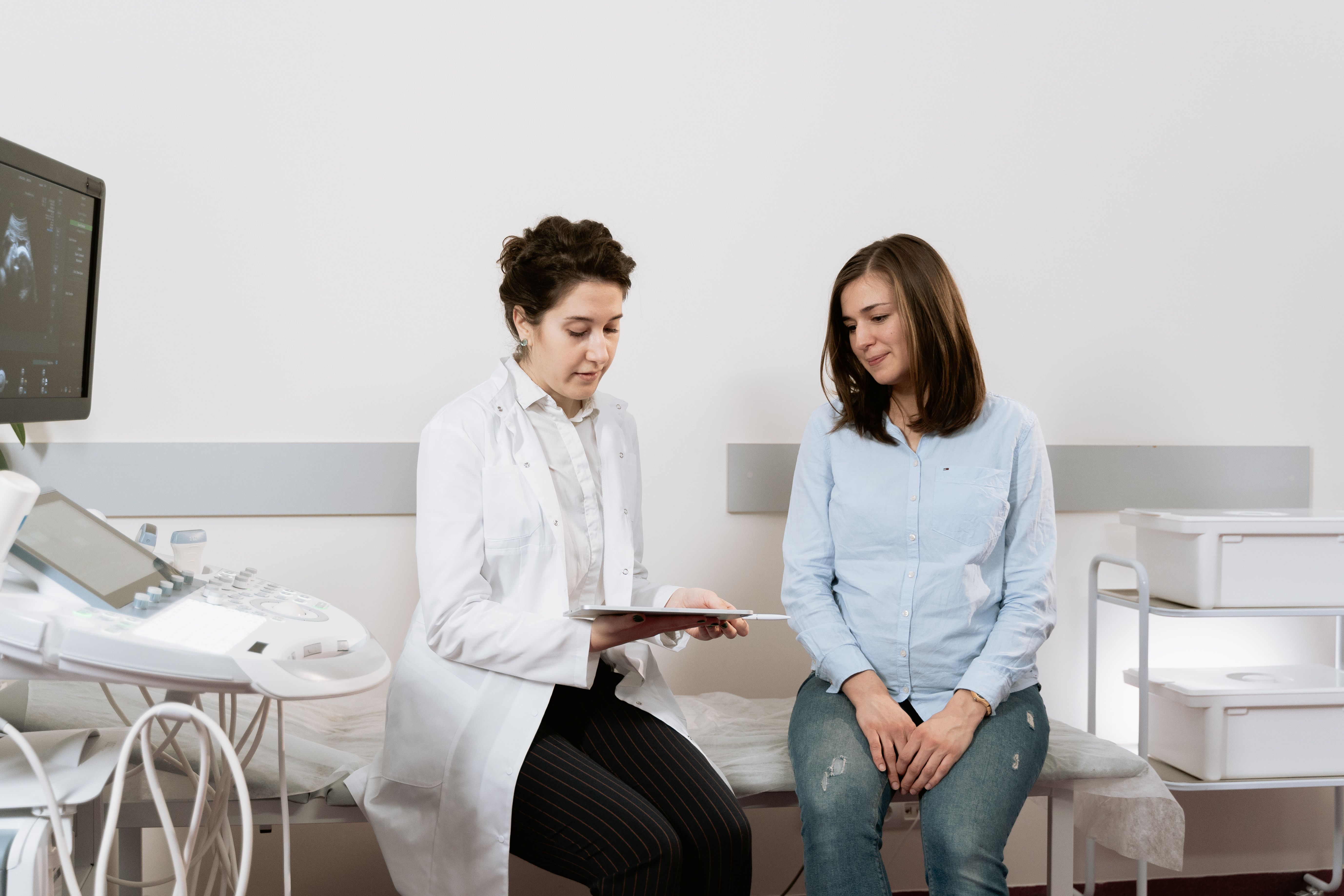
Hearing the words "high-risk pregnancy" can feel worrying, especially for an expecting mother and her family. However, the term does not mean that a complication will definitely occur.
It means that certain medical conditions, pregnancy-related findings, or personal circumstances may increase the chance of complications and require closer monitoring.
Understanding your individual situation can help you feel more prepared throughout pregnancy.
What makes a pregnancy high-risk?
Some pregnancies may need additional attention because of factors such as:
- High blood pressure or diabetes - Previous pregnancy complications - Pregnancy with twins or more babies - Concerns about the baby's growth - Certain existing medical conditions - Complications identified during pregnancy
Risk levels can change as pregnancy progresses. Your obstetrician will consider your medical history and current findings.
Will I need extra appointments?
Some women with high-risk pregnancies need more frequent prenatal appointments, ultrasound scans, blood tests, or additional monitoring.
The type and frequency of testing depend on the reason the pregnancy is considered high-risk.
Routine prenatal care remains important, even when you feel well.
Can I have a normal delivery?
A high-risk pregnancy does not automatically require a cesarean section. The safest delivery plan depends on the mother's health, the baby's wellbeing, and the specific complications involved.
Your doctor can explain the options, potential risks, and circumstances in which the delivery plan may need to change.
Important questions to ask your obstetrician
1. Why is my pregnancy considered high-risk? 2. What complications are we monitoring for? 3. How frequently should I attend checkups? 4. Will I need additional ultrasounds or laboratory tests? 5. Are my current medicines safe during pregnancy? 6. Are any changes to physical activity or daily routine necessary? 7. What is the plan for delivery and emergency care? 8. Which symptoms require immediate medical attention?
Warning signs you should not ignore
Seek urgent medical assessment if you experience vaginal bleeding, fluid leakage, severe abdominal pain, a persistent severe headache, visual changes, breathing difficulties, or a noticeable reduction in your baby's usual movements.
Do not wait for your next routine appointment if a serious warning sign appears.
Preparing for a specialist appointment
Bring previous ultrasound reports, blood test results, medication details, and records from earlier pregnancies. Write down your questions and share any symptoms that concern you.
With appropriate monitoring, communication, and individualized care, many women with high-risk pregnancies have positive outcomes. The most important step is following a care plan designed for your particular situation.